






How to Choose a Portable Projector: 2026 Buyer’s Guide
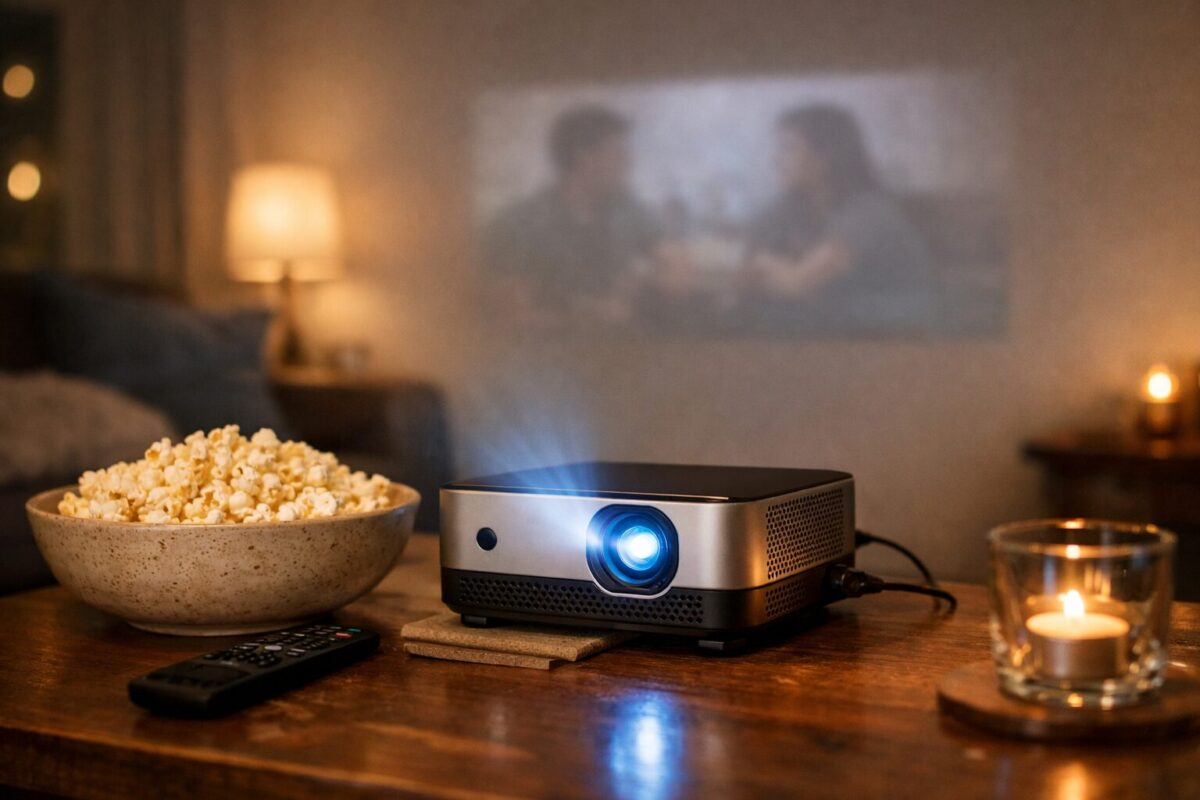
Portable projectors got good in the last two years. The $200 models are finally watchable, not just “fun for a party.” But the spec sheets are a mess, lumens numbers are often made up, and the cheap ones will fool you hard. This guide walks through what actually matters before you spend.
Weve assessed six projectors for living room use, and these are the criteria worth shopping on.
What Actually Matters
Lumens (real lumens, not “peak”)
Ignore “peak lumens” which is marketing fiction. Look for ANSI lumens, thats the real brightness. 200 ANSI is the minimum for a dark room. 400+ ANSI is what you want for a room with some ambient light. Anything claiming “12000 lumens” on Amazon for $150 is lying.
Native resolution
1080p is the sweet spot for portables. 4K portables exist but most of them are upscaled, real 4K costs $1000+. “Supports 4K input” means nothing, you care about the panel’s native resolution.
Throw ratio
Short throw means you can get a big image from close up, which matters a lot in small rooms. Most portables have a throw ratio around 1.2, so a 100 inch image needs about 10 feet. Short throw projectors hit 100 inches from 3-4 feet but cost more.
Battery (if you need portable)
Some “portable” projectors still need an outlet. If you want to use it outside or at a campsite, confirm theres a real battery and check the runtime. 2+ hours means one movie. Less than that and its barely portable.
Built-in apps or streaming stick?
Some projectors ship with Android TV or Google TV built in. Others make you plug in a Fire Stick or Chromecast. Built-in is nicer but often a version behind the latest. A Chromecast dongle costs $30 and often works better.
Speakers
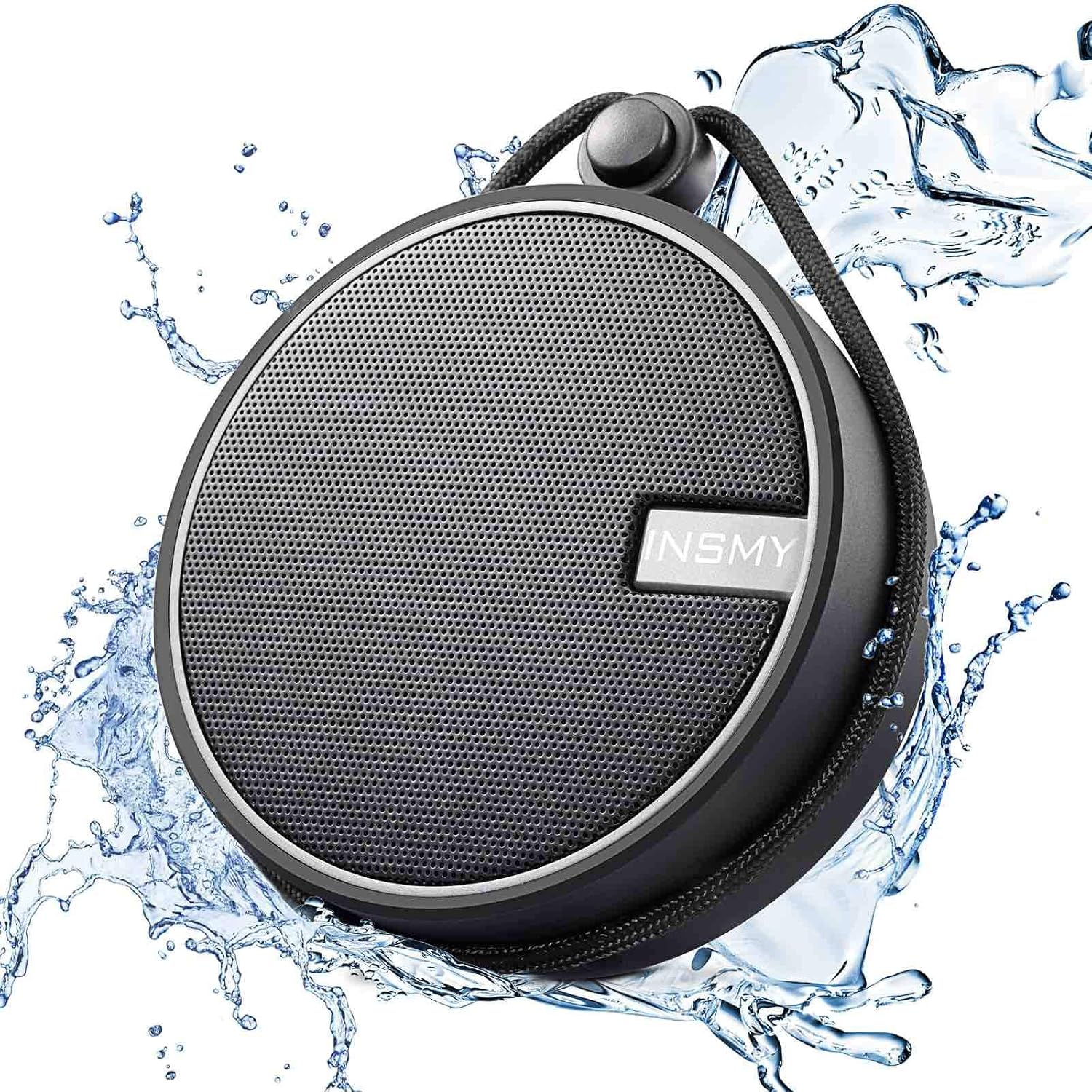
Most portable projector speakers are hot garbage. Assume youll pair a Bluetooth speaker. If a projector has Dolby Audio built in, thats slightly better, still not great.
Keystone correction
You want auto keystone and auto focus. Without them, every time you move the projector you spend 5 minutes adjusting. This feature alone is worth $100 of your budget.
Setup Tips to Get the Best Image
Even a great projector looks mid if your setup is off. Small tweaks matter more than specs past a certain point.
First, the wall. White paint gives you 90% of what a projector screen does for free. If your wall is cream, beige, or textured, you’ll lose brightness and contrast. A $30 roll down screen is worth it over a bad wall.
Second, the ambient light. Blackout curtains change everything. Pulling just one shade halfway down cuts image quality more than you’d think.
Third, placement. Get the throw distance right for your target screen size. Too close and you get a tiny sharp image, too far and you lose focus. Use the manufacturer’s throw ratio calculator.
Features Worth Paying For in a Portable Projector
Projector specs are confusing on purpose. Half the important stuff is buried or hidden behind marketing terms. Here’s what actually makes a difference at 2am when you’re trying to watch something.
ANSI lumens, not “light source lumens.” ANSI is a real measurement. “Light source lumens” or “lumens” with no qualifier is usually 2x to 3x inflated. Look for at least 300 ANSI for indoor use, 500+ if you ever project before sunset or in a room with ambient light.
Native 1080p, not “supports 1080p.” Lots of cheap projectors advertise 1080p support but actually project at 720p or 480p. Native resolution is what matters.
Auto keystone correction. Real time seems minor until you’ve spent 10 minutes fighting manual trapezoid correction every time you move the projector.
Built in OS or easy streaming. Projectors with Android TV, Roku, or similar baked in are way less hassle than ones that need a separate stick plus HDMI juggling.
Battery life of 2+ hours. If it’s truly portable, you need to get through one movie unplugged. Under 2 hours means its actually a tethered projector with a battery gimmick.
Our Picks by Use Case
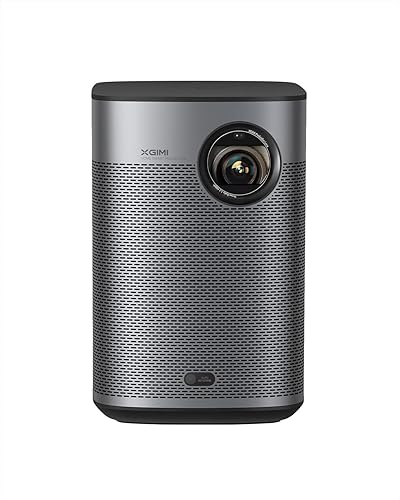
Best Overall: Anker Nebula Capsule 3 Laser
True portable that doesnt compromise
Size of a large soda can. 300 ANSI lumens is enough for dim rooms. Laser light source means no bulb to replace. Google TV built in with all the major apps. 2.5 hour battery. $550 is the price but you get a complete package, no additional streaming stick needed.
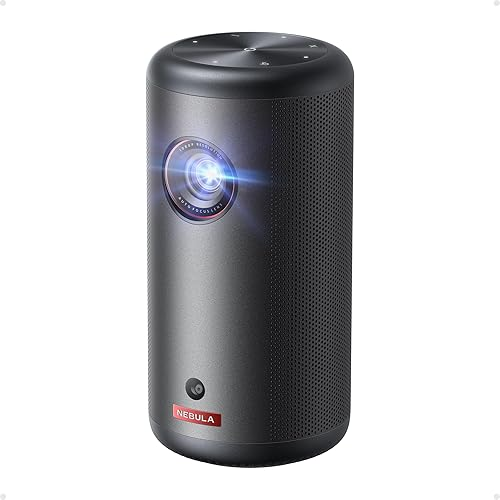
Best Mid-Range: XGIMI MoGo 2 Pro
Auto-everything that just works
The MoGo 2 Pro sets up in 30 seconds because it auto-focuses and auto-aligns. Point it at a wall, it figures out the rest. 400 ANSI is bright enough for a room with curtains closed at dusk. Android TV built in, Harman Kardon speakers that are actually decent for a portable. Needs an outlet, no battery.
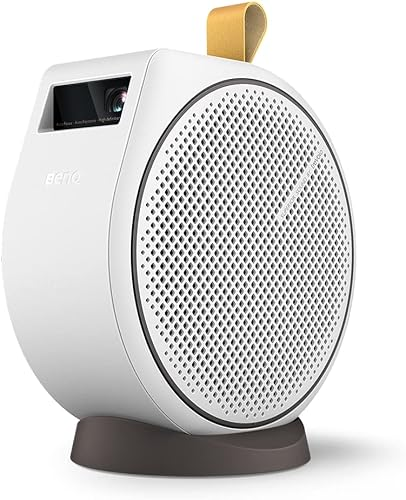
Best Budget: Yaber K2s
Real 1080p under $300
Plug a Fire Stick into the HDMI port and youve got a complete setup for $280. The K2s has real 1080p, not an upscaled 720p panel pretending. 250 ANSI is on the dim side so you need a dark room, but in a dark room its genuinely watchable. Speakers are rough, use Bluetooth.
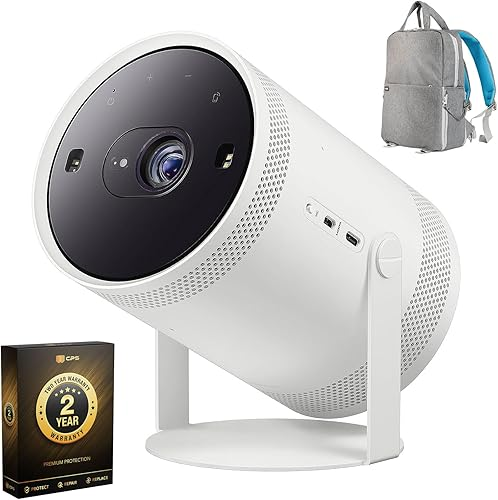
Best for Design: Samsung Freestyle Gen 2
Looks good on a shelf
Cylindrical body that rotates so you can project on walls or ceilings without repositioning. Samsung TV OS which is better than what most portables ship with. 180 ANSI is on the low end, needs a properly dark room. Honestly the main reason to buy this is aesthetics, which is a valid reason but know what youre paying for.
Common Mistakes
Falling for “12000 lumens” Amazon listings. Real lumens top out around 500 ANSI in this category. If the number is unbelievable, it is.
Not checking native resolution. Lots of budget projectors “support 4K input” but have 720p panels. Your image will look soft no matter what you feed it.
Assuming portable means battery. Half the “portable” projectors out there still need a wall outlet. Read the spec sheet.
Overlooking fan noise. Cheap projectors sound like a hairdryer. Check reviews for noise specifically, some are under 30 dB, some are over 50.
Red Flags That Mean Skip the Listing
Amazon is flooded with no name projectors at suspicious prices. These tells separate the okay from the trash.
First, listings that only show “lumens” with no ANSI qualifier, and the number is above 5000. A legit 5000 ANSI lumen projector costs thousands. If a $120 unit claims 12000 lumens, its vibes lumens, not real ones.
Second, no listed contrast ratio. Cheap projectors skip this because its their weak spot. A real contrast ratio of 1000:1 minimum is where usable picture starts.
Third, “supports 4K” on a device under $300. Supports means it can accept a 4K signal and downscale it. It still projects at whatever its native is. Dont pay a 4K premium without native 4K.
Fourth, no brand name you can find outside Amazon. If a 5 minute search doesnt surface reviews, support contact, or firmware updates, skip. Your replacement lamp in 2 years will be impossible to find.
Fifth, the “mini cinema” trap. Palm size projectors under $80 are usually toy spec, 80 to 150 ANSI lumens at best, unusable in anything but a pitch black bedroom.
Frequently Asked Questions
How big a screen can I expect from a portable?
Do I need a projector screen or does a wall work?
Laser vs LED light source?
Can I use a portable projector outdoors?
Do portable projectors work with my iPhone?
What’s the minimum room size I need?
Do I need a separate sound system?
How long do projector lamps last?
As an Amazon Associate we earn from qualifying purchases. Prices accurate at time of writing.