






How to Choose a Portable Charger: 2026 Buyer’s Guide
You’d think buying a portable charger would be simple. Pick a big number, plug it in, done. But there are enough bad power banks floating around Amazon to make the whole category feel like a minefield. Some charge painfully slow. Some are the size of a brick. Some promise 30,000mAh and struggle to fully charge a phone twice.
This guide cuts through the noise. We’ve covered over a dozen power banks across our tech reviews and heres what actually matters when you’re picking one out.
Capacity: How Many Charges Do You Actually Need?
Capacity is measured in milliamp hours (mAh). Bigger number means more juice stored. But theres a catch — you lose about 15 to 25 percent of capacity to heat and voltage conversion. A 10,000mAh bank wont give your phone 10,000mAh. More like 7,500 to 8,500 in practice.
Heres a rough guide based on what most phones need:
5,000mAh: About one full phone charge. Great for emergencies, fits in a pocket. The Aobbow Magnetic Charger falls here and its barely thicker than a phone.
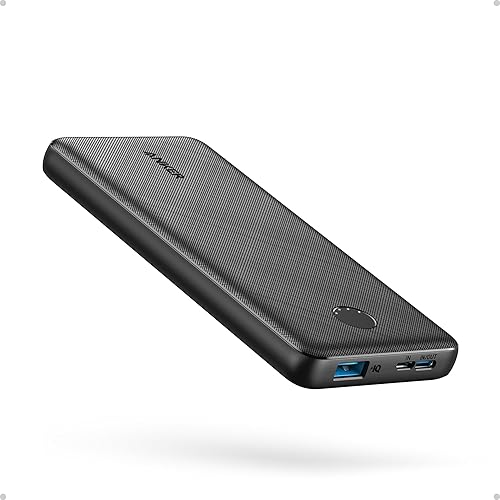
10,000mAh: Two full charges for most phones. This is the sweet spot for daily carry. Something like the Anker 10,000mAh 30W hits this perfectly without being bulky.
20,000 to 30,000mAh: Four to six charges, or enough to handle a laptop in a pinch. The Clemm 30K is a good example — triple port, 100W USB-C output, but its definitely not pocket sized.
For most people, 10,000mAh is the right call. You get two full charges in something that weighs less than half a pound. Going bigger only makes sense for travel or if youre charging a laptop.
Charging Speed: Watts Matter More Than You Think
This is where cheap power banks really fall down. A bank that only outputs 10W will take over two hours to charge a modern phone. A 30W bank does it in about 40 minutes. The difference is huge.
Look for these specs:
18 to 22.5W: Decent. Will fast charge most Android phones and older iPhones. Fine for everyday use.
30W: Good. Fast charges iPhone 15 and 16 series, most Samsung Galaxy phones. This is the minimum I’d recommend in 2026.
65 to 100W: Laptop territory. If you need to charge a MacBook Air or similar ultrabook on the go, you need at least 65W output. The Anker 737 pushes 140W and handles full size laptops.
One more thing — check the input speed too. A 30,000mAh bank that only charges at 18W input will take all night to refill. Look for 30W or higher input so the bank itself charges fast.
Ports: USB-C Is the Only One That Matters
If a power bank doesnt have at least one USB-C port, skip it. Period. USB-C handles the fastest charging speeds and its what every modern phone, tablet, and laptop uses.
USB-A ports are fine as extras for charging older devices or lending a charge to someone else. But the main port you’ll use should always be USB-C.
Some chargers like the RORRY Flow include a built in AC plug so you can charge the bank itself from any wall outlet without carrying a separate cable. Its a small thing that turns out to be really convenient.
Built in cables are hit or miss. They’re convenient when they work, but they’re usually thin and cant handle the highest charging speeds. A good USB-C cable you already own will almost always be faster.
Size and Weight: Pocket vs Bag vs Backpack
This ones pretty straightforward. Small banks (5,000 to 10,000mAh) fit in a pants pocket. Medium banks (10,000 to 20,000mAh) need a jacket pocket or small bag. Anything over 20,000mAh lives in a backpack or laptop bag.
If you’re buying a daily carry charger, pick it up and hold it first (or read reviews carefully). Weight matters more than dimensions — a charger thats thin but heavy still feels like a brick in your pocket. Target under 200g for true pocket friendly.
Features You Can Safely Ignore
LED flashlights. Every cheap power bank includes one. You’ll never use it.
Wireless charging. Most power bank wireless charging tops out at 7.5W. Plugging in a cable is 4x faster and more reliable. Its a gimmick unless you specifically need it for convenience.
Solar panels. The tiny solar panel on a power bank generates maybe 1 to 2W in direct sunlight. Itd take literal days to charge from solar alone. Marketing fluff.
Massive capacity claims from no name brands. If a brand you’ve never heard of claims 50,000mAh in a package the size of a phone, they’re lying. The math doesnt work out physically.
Our Quick Recommendation by Use Case
Best for daily pocket carry: Anker 10,000mAh 30W — light, fast, reliable brand.
Best budget pick: Aobbow Magnetic Charger — $22, MagSafe compatible, incredibly thin.
Best for travel or laptops: Anker 737 Power Bank — 140W, handles any device you throw at it.
Best all in one design: RORRY Flow — built in wall plug means one less cable to pack.
Frequently Asked Questions
Can I bring a portable charger on a plane?
Does pass through charging damage the power bank?
How long do portable chargers last before the battery degrades?
Why is my power bank charging my phone so slowly?
The Short Version
For most people, a 10,000mAh power bank with 30W USB-C output is the right pick. It charges fast, fits in a pocket, and tops off any phone twice. Dont overpay for features you wont use, and definitely dont trust brands you’ve never heard of claiming impossible capacity numbers. Check our individual power bank reviews for specific recommendations at every price point.
You might also like:
- Mobile Pixels Duex Plus vs Duex Max: Which Portable Monitor Should You Buy?
- EarFun Air Pro 4 Review: $53 Earbuds That Sound Like They Cost Triple
- Echo Dot Alternatives in 2026: 5 Smart Speakers That Do More
For a wall charger that follows this advice, see our UGREEN Nexode 100W review, a four-port GaN block built as a daily desk charger.