






Smart Home for Beginners: Where to Start Without Spending a Fortune
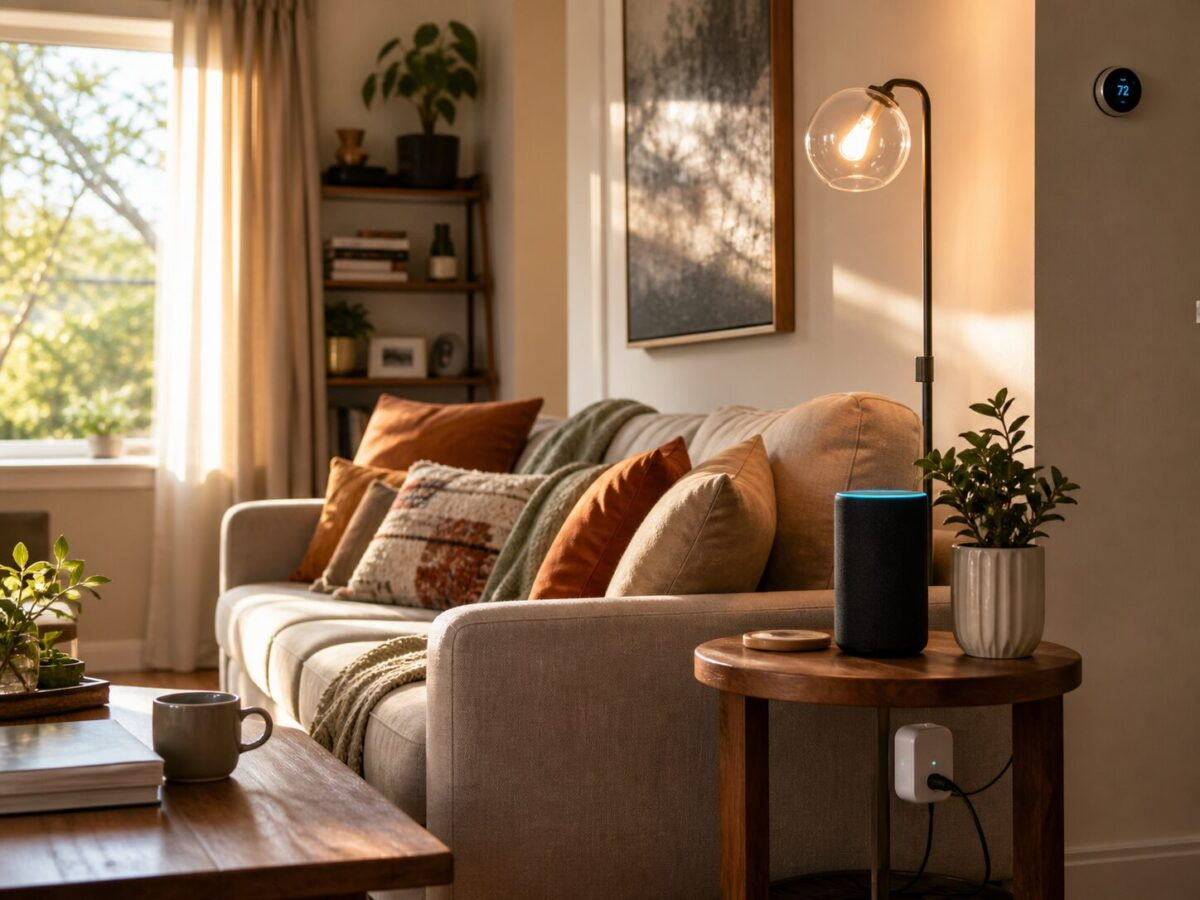
Smart home is one of those things that sounds way more complicated than it is, especially if you’ve ever been to a Best Buy display where there’s six different ecosystems shouting at each other. you can build a real smart home for under $200 if you start in the right place.
Pick a hub first, before anything else
Your hub is what ties everything together. The four main options:
- Amazon Echo – Best if you want voice control and don’t care about Apple. Works with the most third-party gear.
- Google Nest – Best if you’re already deep in Google services. Audio quality is good.
- Apple HomePod – Best if you have an iPhone household. Locked-in but polished.
- SmartThings or Hubitat – Best if you want to nerd out and not depend on a big company.
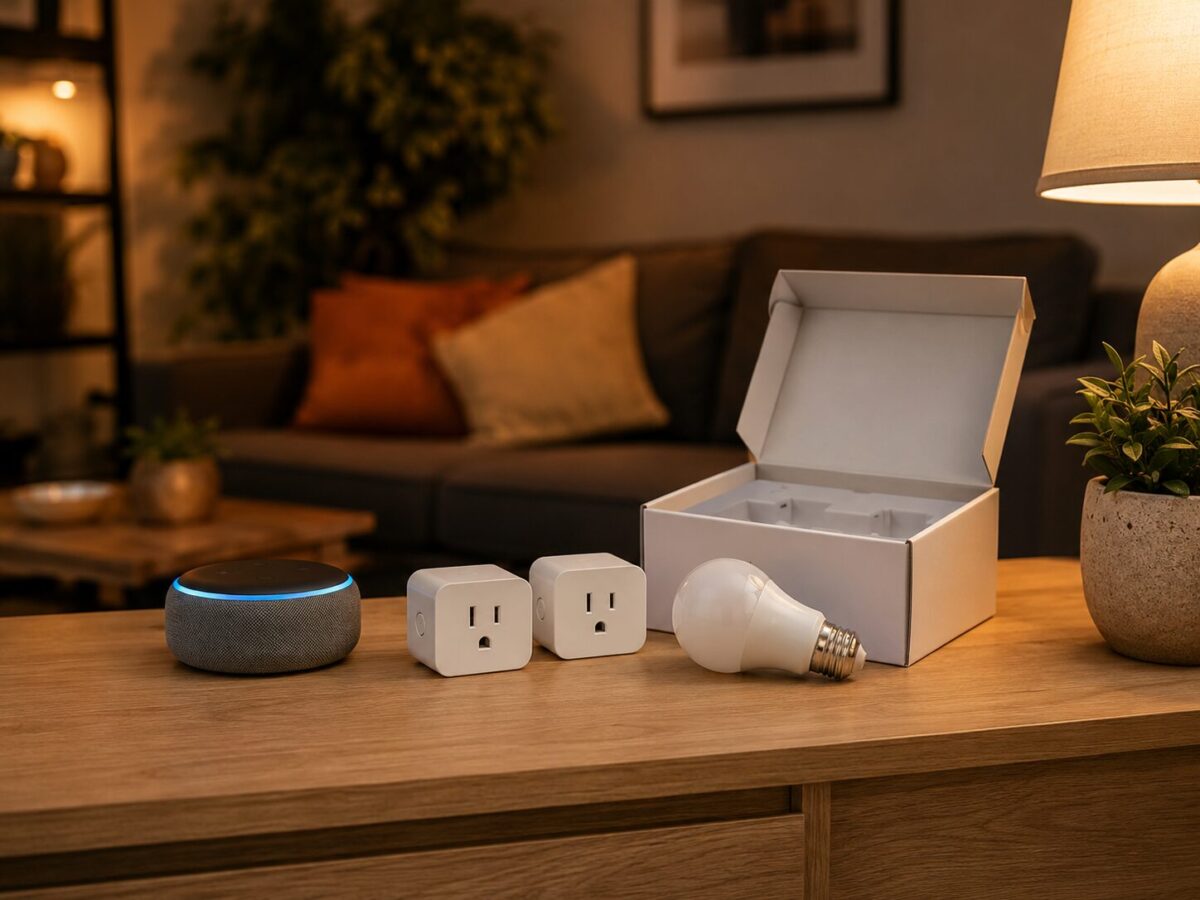
For 90 percent of beginners, an Echo Dot at $35 is the right call. It works with everything, and if you decide to switch ecosystems later, $35 isn’t a big sunk cost.
The five things actually worth automating first
1. Lights ($25 to $50)
Smart bulbs or smart switches. Smart switches are better long-term because they work whether or not you use the app, but smart bulbs are renter-friendly. Philips Hue is the premium choice, Wyze and Sengled are the budget picks. More smart home gear here.
2. A smart plug ($15)
Get a TP-Link Tapo or Kasa for $15. Plug a lamp, fan, or coffee maker into it. Suddenly you have a smart device. This is the fastest way to test whether you actually like smart home stuff before spending more.
3. A door sensor or two ($15 each)
Cheap, useful, and once installed they tell you if you left the front door open or if the kids are sneaking out. Aqara and Sonoff make solid ones.
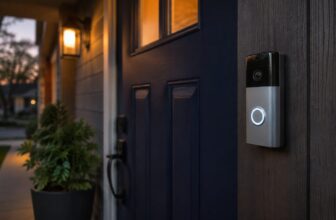
4. A video doorbell ($60 to $200)
If you order packages, this pays for itself the first time someone steals one. Wyze Doorbell at $60 is the budget pick, Ring is the mainstream pick.
5. A robot vacuum ($150 to $400)
Optional, but the smart home upgrade most people enjoy daily. Eufy 11S at $129 on sale, eufy C28 at higher end.
What to skip when you’re starting
- Smart fridges. Just no.
- Smart toilets. Same.
- Smart locks until you have the rest sorted out. They’re useful but not the place to start.
- Whole-home cameras (other than doorbell). Privacy and complexity get messy fast.
- “Smart” anything from a brand you’ve never heard of, especially if it requires its own app instead of working with HomeKit/Google/Alexa.
Total starter budget
Echo Dot: $35. Two smart bulbs: $30. One smart plug: $15. Two door sensors: $30. Doorbell: $60. Total: $170.
That’s a real, working smart home that does meaningful things every day. You can keep adding from there at your own pace.
The mistake almost everyone makes
Buying a bunch of smart stuff before figuring out what they actually want it to do. Sit down for ten minutes and write the three or four things you wish were automated. Buy for those, not for the catalog.
You might also like:
Disclosure: Some links in this article are affiliate links. We may earn a commission at no extra cost to you.