The Dyson V15 Detect is a great vacuum. The laser that lights up dust on the floor is genuinely clever, the suction is monstrous, and the build feels like a premium tool. It also runs around $650 to $750, which is real money for something you use to clean up cereal your kid dropped.
Here’s what changed over the last couple years: the cordless stick category got crowded, and the cheaper brands got good. You can now grab a capable cordless vacuum with strong suction, swappable batteries, and decent run time for under $220. Some of them even copy the Dyson tricks, like the dust-sensing tech and the anti-tangle brush rollers. I rounded up five that hold up, all cheaper than a single Dyson, and a couple of them are close to half the price.
If your floors are mostly hard surface and you’d rather not push anything at all, it might be worth weighing a robot instead, our robot vacuum buyer’s guide covers that route.
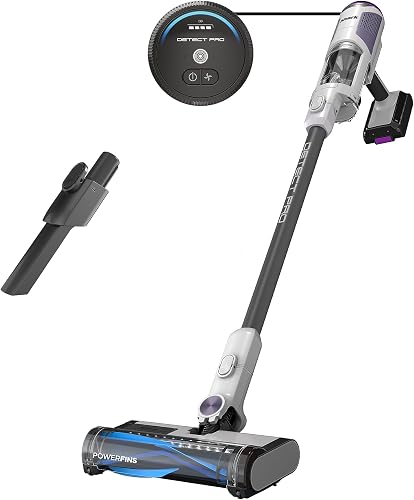
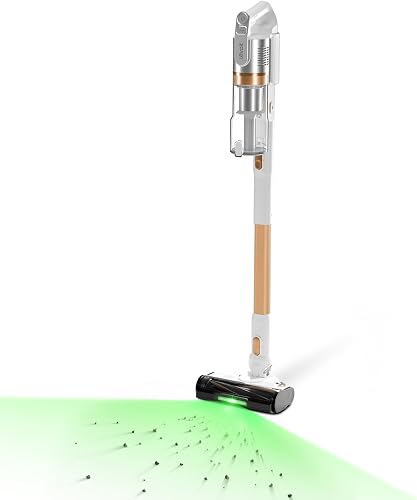
If the Dyson features are what tempt you, the Shark Detect Pro is the closest match under $250. It senses how dirty the floor is and ramps suction on its own, which is basically what the V15 does minus the laser light show. Shark is a name people trust, the head swivels nicely into tight spots, and the version with the auto-empty base means you go weeks without touching the bin. Suction isn’t quite Dyson-tier on deep carpet, but for everyday cleaning most folks wouldn’t notice.
Highest rated hereStands up aloneGreat on pet hair
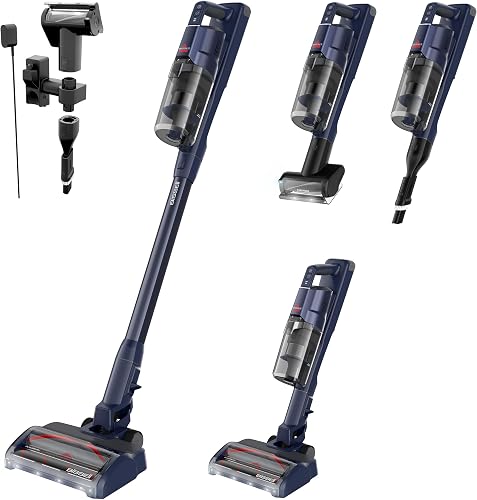
This Bissell has the best rating and the most reviews on the whole list, and the self-standing design is the feature people rave about. No leaning it against a wall, no special dock, it just stands wherever you stop. The dual brush roll handles carpet and hard floors without you swapping heads, and pet owners say it grabs hair other sticks leave behind. At $200 it undercuts the Dyson by hundreds while feeling like a properly finished product. My pick for most homes.
Levoit usually makes air purifiers, so a vacuum is newer territory for them, but the VortexIQ nails the one thing long-haired households care about. The brush roll is shaped so hair slides off into the bin instead of wrapping into a solid rope you have to cut out with scissors. It even has a little LED on the head, a clear nod to the Dyson. It’s lighter than the Shark and Bissell, which makes stairs easier. Fewer reviews so far, but the early ones are strong.
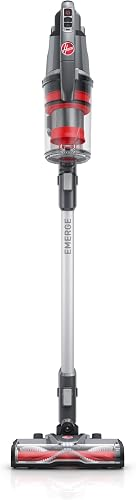
Hoover has been making vacuums longer than most of these brands have existed, and the Emerge leans on that. The ONEPWR battery pops out and swaps with other Hoover ONEPWR tools, so if you run low mid-clean you just drop in a fresh pack and keep going. It isn’t flashy and there’s no fancy sensor, but it’s got thousands of reviews and a big dust cup you won’t empty constantly. A solid, no-drama pick if you’d rather not gamble on a newer brand.
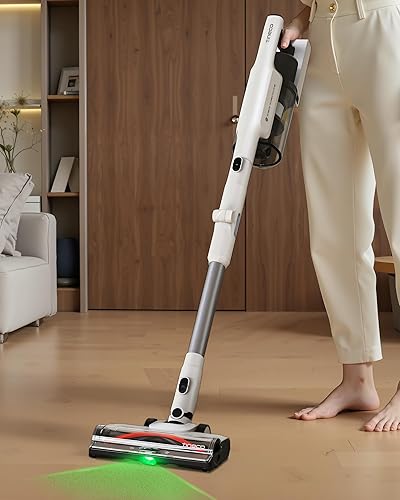
Tineco is the brand most people name first when they think Dyson-but-cheaper, and the Pure One A50S is the lowest price on this list at $169. It has a dust sensor that adjusts suction automatically and even an app, which is wild at this price. Fair warning, this is a newer model so the review pile is still small and the rating sits at 4.0, a notch under the others. If you want the smart features without the Dyson sticker shock and you don’t mind being a slightly early adopter, it’s the value gamble worth taking.
On bare floors and light carpet, several get close enough that you wouldn’t feel a difference in daily use. Where the Dyson still pulls ahead is thick, plush carpet and deep-down pet hair embedded in fibers. If you’ve got a lot of high-pile carpet, set your expectations accordingly. For hardwood, tile, low-pile rugs, and quick pickups, any of these five is plenty.
What about run time on a single charge?
Most of these land in the 40 to 60 minute range on the lowest power setting, and a lot less on max boost (sometimes 10 to 15 minutes). That’s normal for the category, the Dyson is the same way. The Hoover’s swappable battery is the cheat code here, since you can keep a charged spare on hand and never wait.
Will the cheaper ones last as long as a Dyson?
Honest answer, probably not 10 years. Dyson build quality is hard to beat. But at a third of the price, you could replace one of these twice and still come out ahead. Look for brands with swappable batteries, since a dead battery is the most common reason a cordless vacuum gets tossed, and a $40 replacement pack beats a new machine.
Stick vacuum or robot, which is smarter to buy?
Different jobs, really. A robot handles daily floor maintenance hands-free, while a stick gives you control for stairs, furniture, car interiors, and the messes a robot misses. Plenty of people own both. If you’re deciding, our honest take on whether robot vacuums are worth it lays out the tradeoffs.
As an Amazon Associate, we earn from qualifying purchases.